Listen

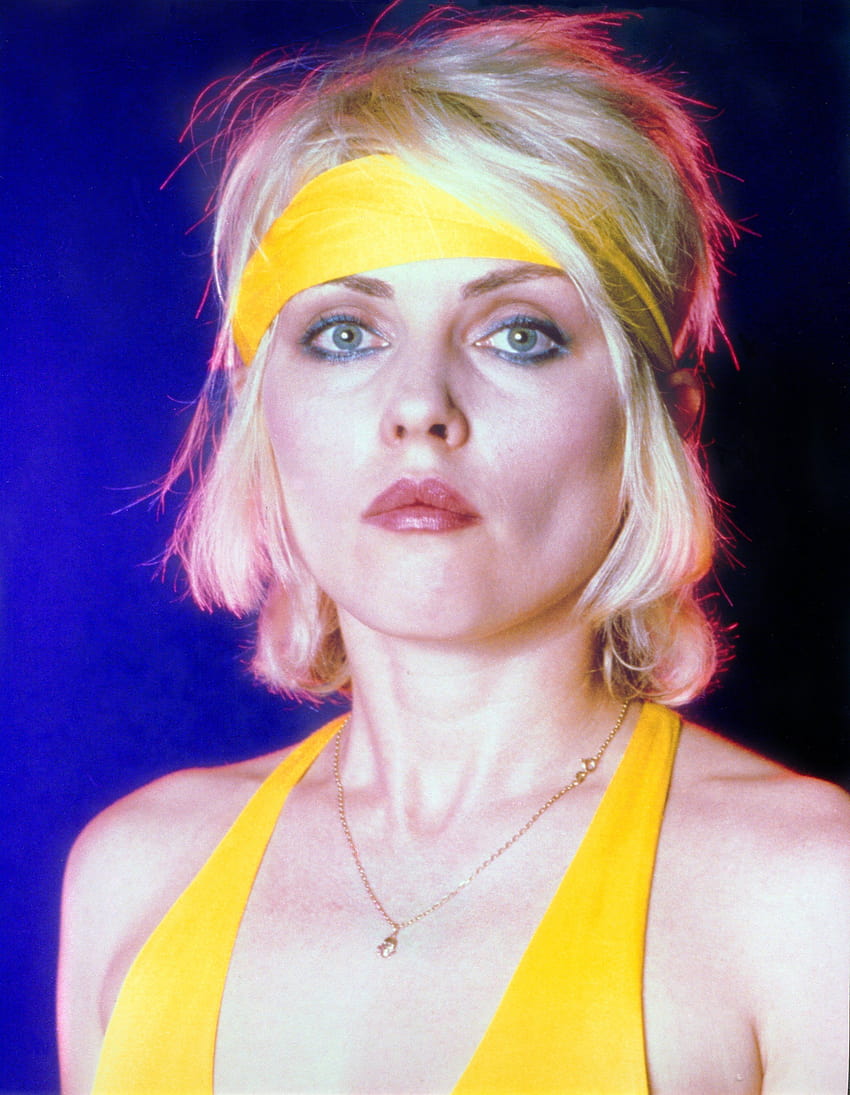
The woman the world knows as Debbie Harry began life as Angela Trimble. She was born on July 1, 1945, in Miami, Florida. Her birth mother was a concert pianist who felt she could not keep the child at the time. At three months old, she was adopted by Catherine and Richard Harry. They were a hardworking couple who owned a gift shop in Hawthorne, New Jersey.
They gave her a stable, middle-class upbringing and renamed her Deborah Ann Harry. She grew up with one sister named Martha. Even as a young girl in the suburbs, Deborah felt like she did not quite fit the mold of a quiet New Jersey life. She was known to be a bit of a rebel and a dreamer, often imagining that she was the long-lost daughter of Marilyn Monroe.
After finishing high school and attending a brief stint at Centenary College, Deborah realized she needed to be where the action was. She moved to New York City in the late 1960s. This was a gritty and dangerous time for the city, but she thrived in the chaos.
To pay her rent, she worked a series of legendary jobs. She was a secretary at the BBC offices, a waitress at the famous Max’s Kansas City where she served drinks to artists like Andy Warhol, and she even spent time as a Playboy Bunny. These years were crucial because they placed her right in the center of the art and music scene that was about to explode.
Her first musical attempt was with a folk group called The Wind in the Willows in 1968. They released one album, but it was far too soft for her developing style. She eventually joined a girl group called the Stilettos. This was a pivotal moment because it was through this band that she met guitarist Chris Stein.
Chris and Deborah became a couple and a creative powerhouse. They wanted to create something that mixed the tough attitude of the streets with the glamour of old Hollywood.
In 1974, they formed their own band. They chose the name Blondie because truck drivers would constantly shout Hey Blondie at Deborah as she walked past. They became regulars at the famous club CBGB.
While the band was technically part of the punk movement, Deborah’s look and the band's ability to play everything from reggae to disco set them apart. They struggled for a few years, but their third album, Parallel Lines, turned them into global icons. By the time the song Heart of Glass hit the airwaves, Deborah Harry was no longer just a girl from New Jersey; she was the face of a new generation of music.