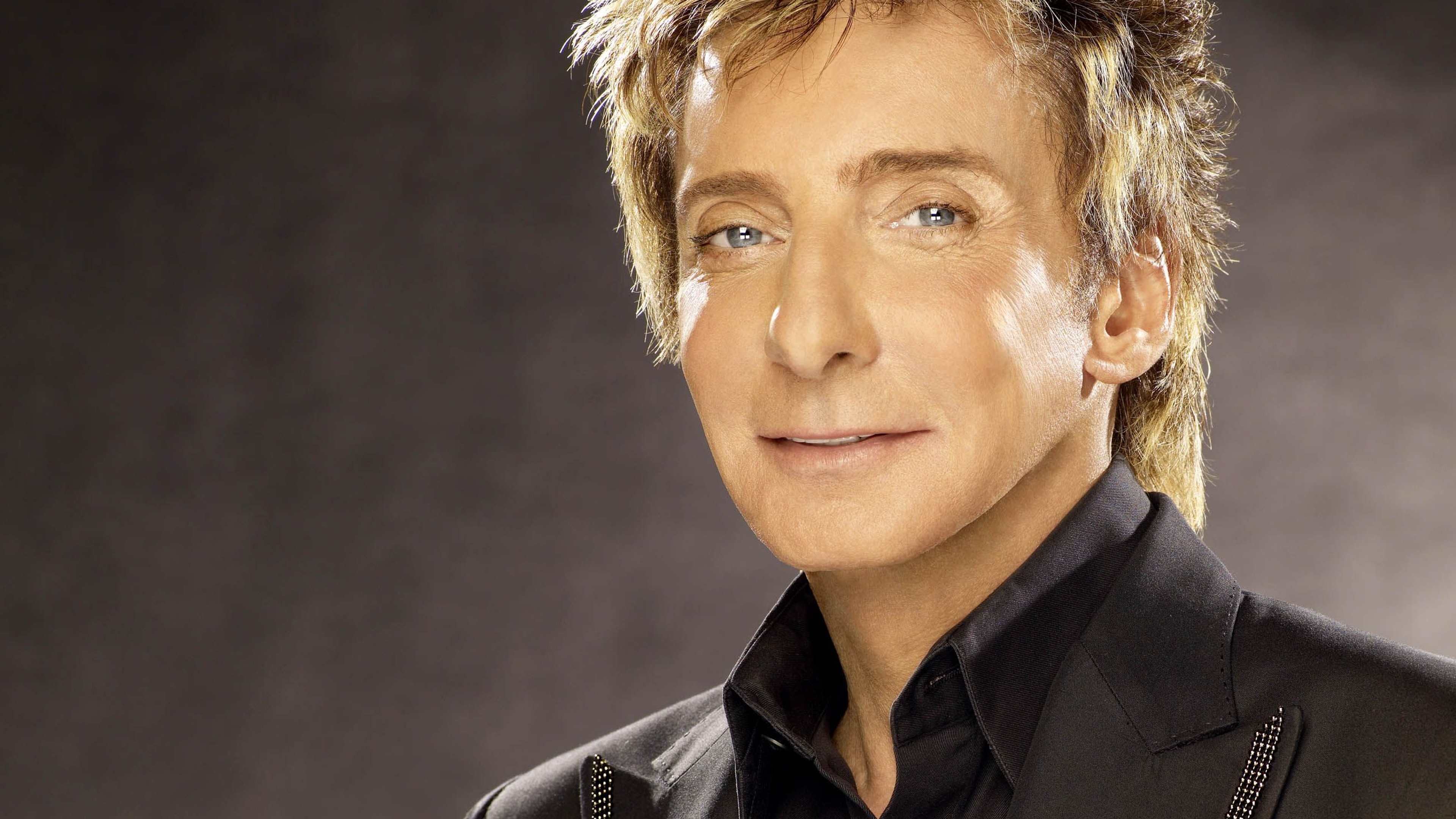
Barry Manilow, born Barry Alan Pincus on June 17, 1943, in Brooklyn, New York, is one of the most successful and enduring figures in American pop music. With a career spanning over six decades, he has sold more than 85 million records worldwide, earned multiple Grammy, Emmy, and Tony Awards, and become a cornerstone of adult contemporary music. Known for his elaborately orchestrated romantic ballads, showmanship, and versatility as a singer, songwriter, arranger, and producer, Manilow’s journey from a working-class Brooklyn upbringing to global stardom is a testament to talent, perseverance, and a deep love for music.
Early Life and Childhood in Brooklyn
Manilow grew up in a lower-class neighborhood in Brooklyn’s Williamsburg area. His parents, Harold Kelliher (a truck driver of Irish descent) and Edna Manilow, divorced when Barry was just two years old. His mother’s family limited contact with his father thereafter. Barry later took his mother’s maiden name, Manilow. His maternal grandparents were Russian Jewish immigrants, and his family background included Jewish and Irish Catholic roots. His grandfather reportedly changed the family surname to Manilow shortly before Barry’s bar mitzvah.
Music was a constant presence in the household. His mother was very musical, exposing him to a variety of sounds, and through his stepfather, he developed a taste for jazz and Broadway show tunes. By age seven, Barry was taking accordion lessons and playing on a neighbor’s piano. He quickly became an accomplished musician, showing early promise and passion for performance.
He attended Eastern District High School, graduating in 1961. During high school, he met Susan Deixler, whom he married briefly in the mid-1960s (the marriage was annulled in 1966). To support himself while pursuing music, he worked various jobs, including in the mailroom at CBS, which provided valuable exposure to the entertainment industry.
Education and Early Musical Training
Manilow briefly studied advertising at City College of New York before committing fully to music. He attended the New York College of Music and later studied at the Juilliard School. These formal studies gave him a strong foundation in classical composition, orchestration, and musical theater. He balanced education with part-time work, including his CBS mailroom job, which eventually led to opportunities like film editing and serving as musical director for the local CBS talent show Callback in the late 1960s.
Early Jobs and Entry into the Music Business
Before his solo fame, Manilow honed his skills through practical, often unglamorous work that built his expertise in arranging, producing, and performing. Key early roles included:
Jingle Writer and Singer: In the 1960s and early 1970s, he wrote and performed numerous iconic TV commercials. Notable ones include “Like a good neighbor, State Farm is there,” the Band-Aid jingle, McDonald’s “You deserve a break today,” Pepsi, Kentucky Fried Chicken, and Dr Pepper. This work taught him the craft of crafting catchy, memorable pop hooks and earned him recognition later. He often cited the jingle industry as one of his best learning experiences in pop music.
Off-Broadway and Theater: In 1964, he arranged and largely composed the score for an Off-Broadway adaptation of the melodrama The Drunkard, which ran for years.
Nightclub Pianist and Accompanist: He performed as a piano accompanist in nightclubs, which led to a pivotal meeting with Bette Midler in 1971. He became her musical director, arranger, pianist, and co-producer for her first two albums.
Other Gigs: He worked as a duo at clubs and arranged for productions.
These experiences provided financial stability and industry connections.
Rise to Stardom in the 1970s
Manilow’s solo recording career took off with his self-titled debut album in 1973. Initial sales were modest, but success exploded with his second album and the hit “Mandy,” which topped the charts. A string of multi-platinum albums followed, featuring signature hits such as “Could It Be Magic,” “I Write the Songs,” “Looks Like We Made It,” “Can’t Smile Without You,” “Weekend in New England,” and the Grammy-winning “Copacabana (At the Copa)” in 1978.
He became a top Adult Contemporary artist, with massive live shows including a Broadway run and TV specials. His 1977 live album was a major seller.
Later Career, Versatility, and Legacy
In the 1980s and beyond, Manilow explored jazz standards, Broadway musicals like Harmony, animated film soundtracks, and concept albums covering decades of music. He maintained a strong Las Vegas residency presence and continued touring and recording into the 21st century.
He has produced for other artists and contributed to philanthropy, notably through the Manilow Music Project, donating instruments to schools. In 2025, he announced early-stage lung cancer treatment but has remained active.
Personal life includes his long-term partnership and 2014 marriage to Garry Kief. His autobiography, Sweet Life, was published in 1987. Inducted into the Songwriters Hall of Fame in 2002, he is praised by peers like Frank Sinatra for his craftsmanship and enduring appeal.
Barry Manilow’s story—from Brooklyn childhood and early hustle in jingles and theater to pop icon status—highlights how dedication to melody, arrangement, and audience connection can create a timeless career. His music continues to resonate across generations, embodying romantic escapism and showbiz flair.
 Listen