Listen

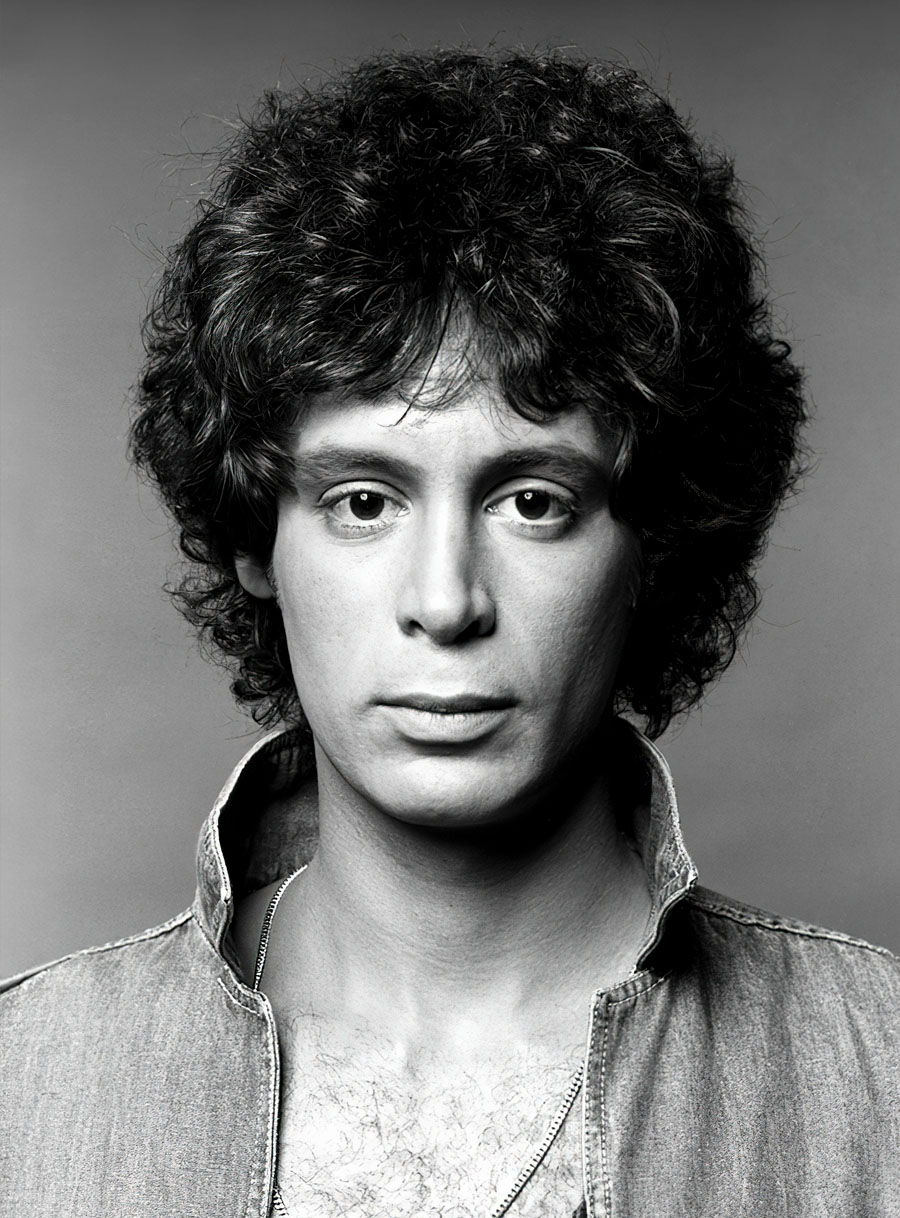
Eric Howard Carmen was a celebrated American singer-songwriter, multi-instrumentalist, and composer whose career spanned over five decades. From his early beginnings as the creative force behind the pioneer power pop band the Raspberries to his massive global success as a solo artist, Carmen left an indelible mark on the landscape of rock, pop, and soft rock music.
Born on August 11, 1949, in Cleveland, Ohio, Eric Carmen grew up in a musically inclined family of Russian Jewish descent. His immersion in music began extraordinarily early; by the age of two, he was entertaining his parents with vocal impressions, and by three, he was enrolled in a eurhythmics program at the Cleveland Institute of Music.
As he grew older, he received formal classical training on the piano and studied the violin with his aunt, who played in the Cleveland Orchestra. However, the cultural explosion of the Beatles and the British Invasion in the mid-1960s completely shifted his trajectory. Inspired by rock and roll, Carmen taught himself how to play the guitar using a Beatles chord book and began performing in various local garage and rock bands during his teenage years.
While attending John Carroll University, Carmen joined a local group called Cyrus Erie before ultimately co-founding the band that would make him a national star: the Raspberries. Formed around 1970 alongside Jim Bonfanti, Wally Bryson, and Dave Smalley, the group aimed to bring back the melodic, hook-heavy energy of classic 1960s pop and combine it with the punchy guitars of hard rock.
As the lead vocalist, primary songwriter, and rhythm guitarist, Carmen helped the Raspberries forge the blueprint for the genre known as power pop. Their signature sound featured lush four-part vocal harmonies, catchy hooks, and driving rock instrumentation.
The band achieved breakthrough success with major singles like Go All the Way, which sold over a million copies and reached the top of the charts, followed by other notable hits like Tonight and Let's Pretend. Despite their immense musical influence and devoted fanbase, internal tensions led to the group's disbandment in 1975.
Following the breakup of the Raspberries, Eric Carmen immediately transitioned into a successful solo career, pivoting toward polished soft rock and emotionally charged power ballads.
In 1975, he released his self-titled debut solo album, which featured his career-defining masterpiece, All by Myself. The song prominently integrated a classical theme from Sergei Rachmaninoff's Piano Concerto No. 2, showcasing Carmen's deep classical background. The track became a massive global sensation, peaking at number two on the US Billboard charts and cementing his reputation as a premier balladeer. His follow-up singles, including Never Gonna Fall in Love Again and She Did It, continued to dominate the charts throughout the late 1970s.
Carmen continued writing and recording successfully into the 1980s. He co-wrote the hit duet Almost Paradise for the film Footloose, and in 1987, he experienced a massive career resurgence when his recording of Hungry Eyes became a central centerpiece of the multi-platinum soundtrack for the blockbuster film Dirty Dancing. The following year, he released Make Me Lose Control, which soared to the top of the pop charts, proving his enduring appeal as a hitmaker.
In later decades, Carmen balanced recording with touring, occasionally joining forces with musical legends like Ringo Starr and His All-Starr Band. In 2004, he briefly reunited with the original members of the Raspberries for a series of critically acclaimed live performances that proved their classic power pop catalog had stood the test of time.
Eric Carmen passed away peacefully in his sleep on March 10, 2024, at the age of 74. He is remembered by fans and fellow musicians alike as a brilliant melodic craftsman whose soaring vocals, classical sensibilities, and timeless songwriting defined multiple generations of popular music.