Listen

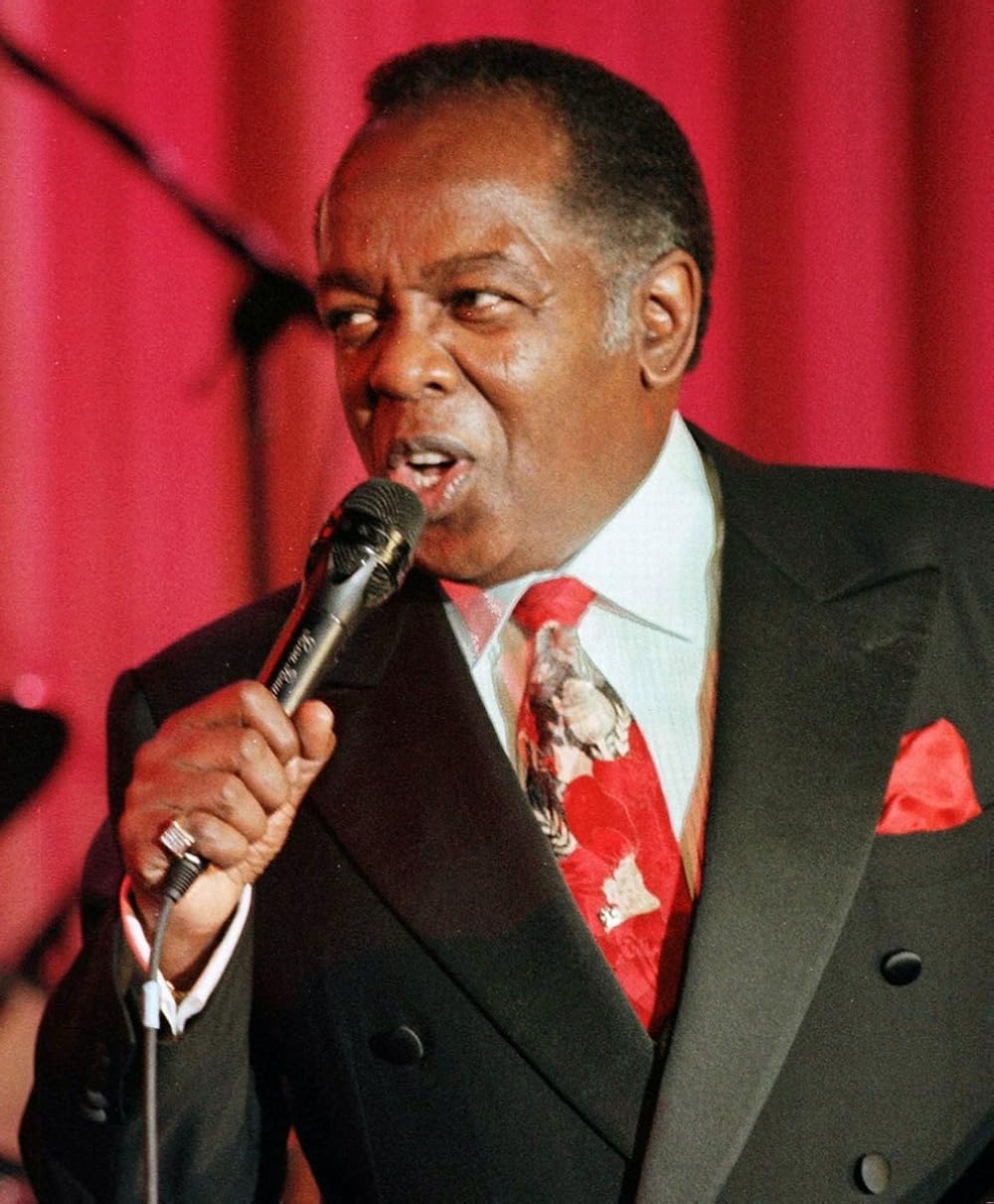
Louis Allen Rawls was born on December 1, 1933, on the south side of Chicago, where he was raised by his grandmother. He began his musical journey at the age of seven by singing in the Greater Mount Olive Baptist Church choir. As a teenager, his interest in music grew through attending shows at the Regal Theatre, and he formed a gospel harmony group called the Teenage Kings of Harmony alongside his schoolmate Sam Cooke.
Roots in Gospel and Military Service
Rawls continued his path in gospel music by singing with several prominent outfits, including the Holy Wonders, the Highway Q.C.'s (where he replaced Cooke), the Chosen Gospel Singers, and the Pilgrim Travelers. In 1955, he paused his music career to enlist in the United States Army, serving as a paratrooper in the 82nd Airborne Division and rising to the rank of sergeant before his discharge in 1958. Shortly after returning and rejoining the Pilgrim Travelers on a tour through the South, Rawls survived a catastrophic car crash that was fatal for others involved. He was pronounced dead en route to the hospital, spent over five days in a coma, and took a full year to fully recover physically and mentally. This brush with death prompted him to transition away from gospel and pursue secular music.
Transition to Secular Music and Discovery
Relocating to Los Angeles, Rawls immersed himself in the local club and coffeehouse circuit. During live performances, he developed a signature style of delivering smooth, rhythmic spoken-word monologues—often seen as a precursor to modern rap—to capture a crowd's attention before breaking into song. In late 1959, while performing at a coffee shop called Pandora's Box, he was spotted by Capitol Records producer Nick Venet. Venet was so captivated by Rawls's four-octave baritone range that he requested an audition tape and signed him to the label. Rawls released his jazz debut album, Stormy Monday, in 1962.
Rise to the Music Charts and Commercial Stardom
Although his early work focused on jazz and blues, Rawls achieved his major mainstream breakthroughs by transitioning into soul and R&B. His 1966 live album, Lou Rawls Live!, became his first gold-certified breakthrough. Later that same year, the release of the album Soulin' yielded his first major chart-topping success, "Love Is a Hurtin' Thing," which hit number one on the R&B charts and climbed into the pop top twenty.
Rawls earned his first Grammy Award for Best R&B Vocal Performance with the socially conscious 1967 single "Dead End Street," and secured a second Grammy in 1971 for the track "A Natural Man". His commercial peak arrived in 1976 with the release of his platinum-selling album All Things in Time, which featured his most famous career-defining smash single, "You'll Never Find Another Love Like Mine". The song topped both the R&B and Adult Contemporary charts and reached number two on the Billboard Hot 100. He followed this with a third Grammy-winning project, Unmistakably Lou, in 1977.