Listen


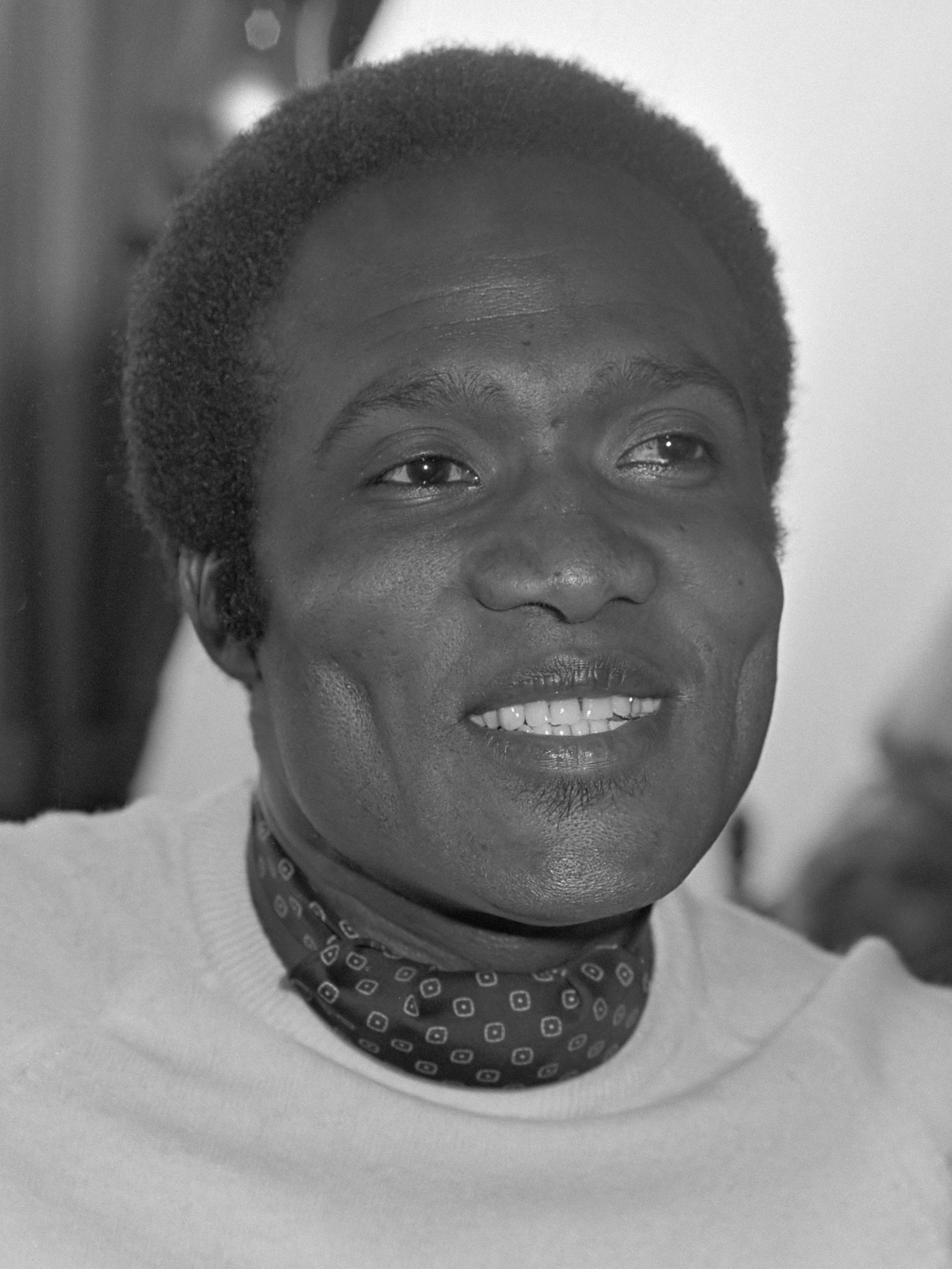
Born in Albina, Suriname, on November 30, 1943, Oscar Harris emerged from modest South American roots to become one of the most beloved Surinamese-Dutch soul and pop vocalists of the 1970s and 1980s.
Early Life, Family & Schooling
Growing up in Suriname during the mid-20th century, Harris developed a deep love for vocal music and rhythmic styles early on. Details surrounding his immediate family and siblings remain largely private, but his formative years in South America laid the groundwork for his warm, smooth baritone delivery.
Looking to expand his horizons and pursue technical higher education, Harris relocated from Suriname to the Netherlands in 1963 to study architecture in Amsterdam.
How He Got Into Music
Though he moved to Europe with the intention of pursuing a career in structural design, music quickly called him back. In 1965, while navigating student life in Amsterdam, Harris formed Oscar Harris and The Twinkle Stars—a 10-piece ensemble composed of fellow Surinamese musicians.
The group began gigging locally at student gatherings, university parties, and Amsterdam clubs. Their energetic fusion of pop, soul, Caribbean rhythms, and funk instantly stood out, quickly catching the attention of Dutch record producers.
Rise to Popularity & Chart Success
1. The Twinkle Stars Era (1969–1973)
By the late 1960s, Oscar Harris & The Twinkle Stars had become household names across the Netherlands:
"Try a Little Love" (1969): The band scored their first massive hit, cementing their position as major pioneers among Surinamese artists crossing over into mainstream European pop radio.
"Soldiers Prayer" (1971/1972): An emotional ballad that became their defining anthem, topping charts and staying in heavy rotation across European stations.
2. Solo Career & International Stardom (1973–1980s)
In 1973, Harris stepped out as a solo artist while retaining his signature lush, upbeat vocal style. His solo run produced several hits across continental Europe and Asia:
"Alta Gracia" (1974): A fan-favorite single that reinforced his popularity as a romantic crooner.
"Song for the Children" (1980): Harris's signature solo masterpiece. The single soared to No. 3 on the Dutch Top 40 and achieved widespread success across Europe, South America, and Southeast Asia.
"It Takes Two" (1982): A popular duet album and series of tracks alongside singer Debbie, producing enduring radio hits like "But I Do".
Legacy & Asian Success
Beyond Europe and Surinamese pop culture, Oscar Harris achieved a unique secondary peak in Indonesia. Tracks like "Sandy" and his rendition of "Oh Tuhan" became massive regional hits, leading to international tours.
Today, Harris is celebrated as a trailblazer who opened doors for Afro-Caribbean and Surinamese artists in the European music industry, bridging reggae, soul, and pop sensibilities with timeless vocal elegance.